Kitchen skills
How to calculate baker’s percentages from ingredient weights
Express each weighed ingredient against the flour weight, check the arithmetic in both directions and keep formula maths separate from baking decisions.
Browse by topic
Build confidence with the ingredients and methods you actually use. Storage and food-safety details should always be checked against the linked authoritative guidance.
Kitchen skills
Express each weighed ingredient against the flour weight, check the arithmetic in both directions and keep formula maths separate from baking decisions.
Kitchen skills
Turn a stated recipe yield into one multiplier, apply it row by row and keep awkward quantities and method questions visible.
Kitchen skills
Convert kg to g and litres to ml with a checked chart. See why 1.2 litres cannot be turned into grams without ingredient-specific information.
Kitchen skills
Use price ÷ quantity × 100 to compare grocery packs. Check a two-for-£3 example against £1.80 each, keeping pack size and checkout cost visible.
Kitchen skills
Half of 150 g is 75 g; half of ¾ cup is ⅜ cup. Use the fraction chart and free ingredient scaler, keeping the original measuring units.
Kitchen skills
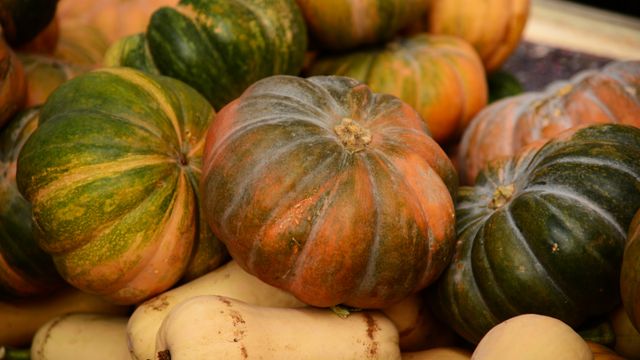
Photo: Wadim Ł. on Pexels
Discover how inventive pantry baking and seasonal produce showcase contrasting approaches to making memorable dishes for the table.
Kitchen skills
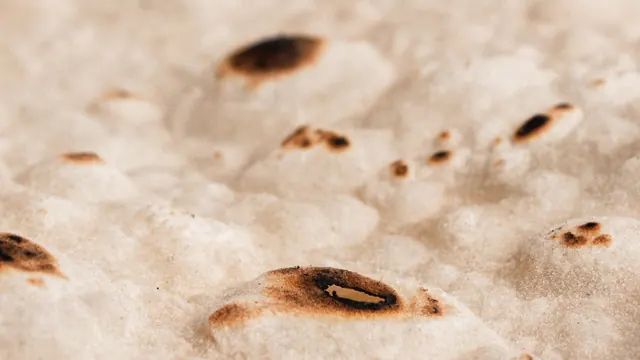
Photo: Samet Kaplan on Pexels
Compare a yoghurt-based dough with a water-and-oil version, then use the original recipe for the quantities and cooking method.
Kitchen skills
Explore a handy all‑purpose allium, master Sri Lankan chicken curry, find school‑day meals, try veggie‑centric pasta, discover high‑protein plant dishes, and make the most of seasonal eggplant.
Kitchen skills
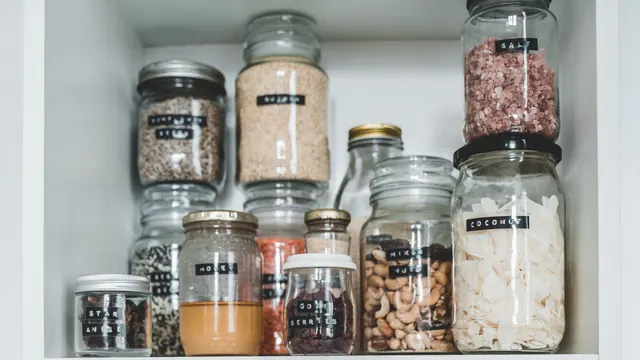
Photo: Taryn Elliott on Pexels
Build a pantry around real meals, record what you have and calculate a shopping gap without assuming every packet or measuring cup is the same.