Everyday eating
A better lunch at home: simple building blocks that work
How to turn a few dependable components into satisfying lunches without preparing a different recipe every day.
Editorial update, 18 October 2026: added a practical worksheet, worked next step and relevant tool links. Original publication date and sources retained.
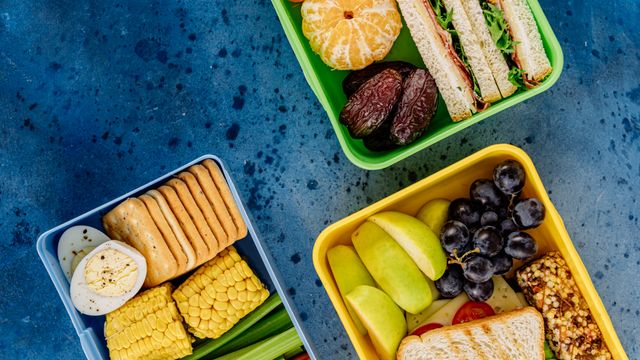
Lunch becomes easier when it is treated as assembly rather than a separate cooking event. A few prepared components can create variety without producing a fridge full of identical portions.
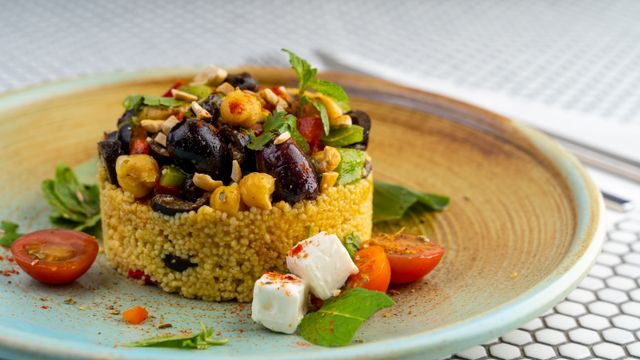
The aim is a flexible plate: something substantial, something fresh and one element with enough flavour to bring it together.

Begin with a substantial base
Use bread, grains, potatoes, beans or leftover noodles according to what you already have. Rotate the base through the week so the same vegetables or protein do not feel repetitive.
Add colour and texture
Raw and cooked vegetables can sit together: crisp leaves with roast squash, grated carrot with leftover greens, or tomatoes with warm beans. Contrast makes a modest lunch feel more complete.
Use one strong finishing element
A spoonful of dressing, toasted seeds, pickles, herbs or a little cheese can connect otherwise separate ingredients. Keep one or two favourites ready instead of collecting many half-used jars.
BBC Good Food · Healthy lunches
Store components with tomorrow in mind
Cool cooked food promptly and keep wet dressings away from crisp ingredients until serving. If leftovers form part of lunch, follow appropriate refrigeration and reheating advice.
Food Standards Agency · Safe food storage
Make a lunch note you can use tomorrow
Write down a complete recipe you intend to follow, the number of people eating and the ingredients already available. Keep a fallback that does not depend on an unverified leftover. This is a planning exercise; the linked food-storage guidance and the original recipe still determine preparation and storage.
| Lunch decision | Your note |
|---|---|
| Recipe and intended day | Name a complete recipe and when you will use it |
| Quantity needed | Keep the original measured unit |
| Already available | Record only an amount you have checked |
| Still unresolved | Mark missing amounts or storage information explicitly |
Work through the quantity change
For arithmetic only, changing a stated four-person quantity to three gives a factor of 3 ÷ 4 = 0.75. An original measured amount of 200 g becomes 150 g. The ingredient scaler accepts 0.75 and keeps the unit; its Copy result button gives you a note with the original amount and multiplier. This does not establish portions, a safe method or the suitability of a particular recipe for scaling.
Use the cupboard shopping-gap worksheet to compare that requirement with what you have. If you need to plan several evenings as well, start with the weeknight dinner system. Buying additional storage containers is optional; establish the recipe and storage requirements before deciding equipment is missing.